Dom, 21 jun, 20:30, Jardins da Torre de Belém, Entrada livre
Os Jardins da Torre de Belém serão palco de um evento internacional que celebra o Dia Europeu da Música e as grandes obras para piano e orquestra. Promovido pelo canal ARTE/ZDF, o festival Europiano junta oito cidades e dez orquestras numa emissão contínua em direto, entre as 14:00 e as 22:00, com transmissão simultânea na RTP2.
Sob a direção de Hannu Lintu e com a participação do pianista Bruce Liu, a Orquestra Gulbenkian interpretará o Concerto para Piano e Orquestra n.º 1 de Tchaikovsky, num programa que inclui ainda Finlândia de Jean Sibelius, Scherzo fantastique de Luís de Freitas Branco e Capriccio espagnol de Rimsky-Korsakov.
Ter, 16 jun, 20:00, Grande Auditório, Entrada gratuita
A Orquestra e o Coro Gulbenkian associam-se à programação das Festas de Lisboa com um concerto de entrada gratuita. Sob a direção da maestra Alevtina Ioffe, serão interpretadas algumas das mais célebres passagens do repertório operático, dos grandes coros aos momentos orquestrais. De Romeu e Julieta de Gounoud à Flauta Mágica de Mozart ou Príncipe Igor de Borodin, ouviremos excertos musicais únicos que marcaram muitas gerações.
BEETHOVEN, BERNARD FOURNIER
Par la musique, Beethoven a touché à la
transcendance. Ses grandes oeuvres, de la Sonate au Clair de lune à l’Hymne à
la joie, de l’Eroica à Fidelio, ont traversé les siècles. Mais derrière le
génie obsessionnel se cache un homme avant tout habité par la question du
divin.
C’est en immense spécialiste du compositeur
allemand que Bernard Fournier en explore cette dimension captivante : sa
profonde spiritualité.
Décryptant écrits, contextes et compositions, il
dévoile les mécanismes de ses partitions inspirées de textes sacrés. Des
quatuors à cordes aux concertos en passant par la monumentale Missa solemnis,
sommet spirituel de son oeuvre, il décèle ces moments de grâce où la musique
se fait langage métaphysique.
Et révèle un Beethoven animé par une foi
personnelle intense, qui l’a poussé à redéfinir les règles de la musique
classique.
Un livre incontournable pour découvrir,
derrière le prodige musical, un artiste en quête d’absolu.
De acuerdo con la presentación que hace de sí misma y responsable
también de este hermoso libro, la Editorial Almayer es un “sello
independiente dedicado al mar, la náutica y el espíritu de la aventura fundado
en Barcelona por Tomy Pelluz. El nombre se lo debe a Joseph Conrad
y a su primera obra: La locura de Almayer (1895).
Almayer, en la novela, es un hombre atrapado entre lo que
imagina y lo que puede: sueña con abandonar Borneo, con enriquecerse, con darle
a su hija una vida distinta, y fracasa en todo. La discordancia entre el poder
de la imaginación y la limitación de los recursos personales es un tema muy
conradiano, que ya aparece con toda su fuerza en esta novela temprana, y
también una advertencia lúcida para quien comienza cualquier aventura. Editar
es una aventura.
Herman Melville calculaba que el mar cubría dos
tercios de la Tierra. No andaba muy lejos: hoy sabemos que el océano ocupa algo
más del 70 % de la superficie del planeta. Una inmensidad que en gran medida
seguimos sin conocer, pero que no ha dejado de alimentar la imaginación humana
desde que existe la escritura.
Desde la Odisea no ha habido generación sin una ensoñación
náutica, sin una isla a la que siempre se quiere volver, sin un horizonte
acuático que promete algo que la tierra no puede dar. Esa parte líquida del
mundo —y todo lo que la rodea: los barcos, los navegantes, el comercio, la
exploración, las ciencias del mar— ha hecho correr mucha tinta a lo largo de
los siglos, y lo sigue haciendo.
Este es el faro editorial de Almayer: el punto en el que
confluyen el mar y la aventura. No como escapismo ni como género menor, sino
como territorios donde la literatura ha producido algunas de sus páginas más
exigentes y más libres. En torno a esos dos grandes temas —y a todo lo que
entre ellos cabe— tratamos de construir el catálogo”.
«If I had not got to know Almayer pretty well it is almost
certain there would never have been a line of mine in print».
A Personal Record (1912), Joseph Conrad
He aquí la tarjeta de presentación- amplia y generosa- de la
Editorial Almayer con sede en Barcelona.
Entrando más de cerca en sus elecciones, se podría decir que
existe un terreno para la Ficción, narrativa tanto literaria como histórica
donde el mar y la navegación ocupen un lugar primordial. Abarca desde libros de
aventura hasta narraciones de carácter más reflexivo acerca de los viajes y la
navegación.
También hay un espacio para la No ficción, considerando el ensayo,
la historia o la divulgación científica sobre el mar, la navegación, la
oceanografía, la biología marina o la climatología.
Sin perder de vista la aventura náutica e inspirados en «The
Mariners Library» de Rupert Hart-Davis y en la colección «Mer» de
Jacques Arthaud, “intentamos dotar al mercado del libro en castellano-explican
los creadores de esta ocurrencia maravillosa- de una colección activa y de
referencia de relatos de viajes, regatas y aventuras en velero. Está centrada
principalmente en las novedades del género, pero tiene la clara vocación de
reeditar o traducir por primera vez clásicos de este ámbito”.
Long John Silver, que fue traducido a 14 idiomas, no
es una segunda parte ni una simple secuela de La Isla del tesoro, icónica obra
de Stevenson escrita para mentes inquietas y a menudo incluída en los planes de
estudio que tratan de contagiar a los niños (los precoces lectores de hace
años) y adolescentes, el placer de la lectura y la aventura.
Con más de 400 000 lectores en todo el mundo, reaparece aquí
por magia del escritor sueco, el legendario pirata de La isla del tesoro.
En el año 1742, en Madagascar, uno de los más antipáticos
personajes de la novela original, debuta en otro escenario, rodeado por una
guardia de antiguos esclavos. Lo persigue la marina de Su Majestad y está solo.
Todos sus viejos compañeros han muerto, entonces, hay tiempo para un largo
momento de reflexión y con un territorio para la introspección, Silver decide
escribir sus memorias. Hay dos motivos para ello: para dar información a un tal
Daniel Defoe, que prepara una Historia general de los piratas, y para desmentir
las falsedades que ha leído en las memorias de cierto Jim Hawkins.
Como se explica en la contraportada de la obra, desde sus
orígenes humildes hasta su transformación en uno de los piratas más temidos de
los siete mares, Silver revela, sin reparos ni falsas heroicidades, las
decisiones que lo llevaron a convertirse en leyenda. Astuto, ambicioso,
contradictorio y profundamente humano- característica psicológica de la que no
podía presumir en la novela de Stevenson- habla de sus viajes, de sus
traiciones, del tráfico de esclavos, de sus lealtades cambiantes, y de la
complejidad moral de una vida dedicada al riesgo y al saqueo.
No conocemos casi nadie la lectura primigenia en sueco, un
idioma no demasiado frecuentado por el gran público, pero desde la sedosa
traducción que se desliza amablemente de Mayte Giménez González, podemos
deducir que Björn Larsson redibuja y da a luz un personaje bajo otra óptica, la
que sabe bucear en su propia historia marcada por la búsqueda infatigable de la
libertad.
Björn Larsson es pues un escritor sueco, considerado una de
las voces literarias más relevantes de su país. Recibió los premios Médicis
étranger, Bocaccio Europa, Astrolabe-Étonnants Voyageurs y Elsa Morante. Apasionado
del mar y la navegación, es también catedrático de francés en la Universidad de
Lund, donde ha desarrollado una sólida carrera académica. Entre las críticas
que se le han dedicado a su novela, una pequeña selección:
«La tapicería de colores vivos de Larsson vale su peso en
pólvora»- escribió el diario francés Le Figaro, y Simon Fairfax, del Daily
Express, apuntó: «Entre los hilos de la ficción surge un nuevo John Silver,
tan vivo como el anterior, igual de cruel, no menos egocéntrico y con la misma
astucia para la discusión». Este pirata y enemigo de la humanidad, como
reza el título, fue dedicado “a Janne y a Torben, rebeldes que no se someten
a nada, salvo al amor”, escribió el escritor.
Björn Larsson ha insuflado un muy largo aliento a una novela
sorprendente, llena de recovecos existenciales, sorpresas psicológicas y el
intento de que percibamos supuestas realidades preconcebidas y generalmente
aceptadas- la maldad infinita y la amoralidad de John Silver “tout court”- con
otras variables y otra mirada. Con delectación, con empatía, hasta con un
atisbo de ternura.
Otra ofrenda singular y náutica, insular, que nos deja la
Editorial Almayer, con la firma del novelista desde Camariñas, tierra gallega
marinera también, el 20 de julio de 1994, a bordo del S/Y Rustica, desde donde seguramente
contemplará satisfecho el éxito de esta propuesta literaria y vitalista, y seguirá
viviendo y planeando otras maravillosas singladuras.
Cuando era una niña, me encantaban las aventuras del capitán
del Tikki, una goleta que navegaba por los mares del sur. Pasaba buenos ratos
contemplando en la serie, cómo abría las aguas con una proa siempre potente,
que coqueteaba con las alternancias de un mar embravecido o calmo, pero siempre
compañero, cómplice, aunque temible.
Muchas décadas después, solo espero que llegue el verano
para recuperar de nuevo el mar y el agua en profusión. Entretanto, novelas como
esta me permiten preparar el camino estival de cada año hasta donde pueda
llegar, y seguir soñando y resistiendo. En empopada y tal vez, trasluchar…
Alicia Perris
Con mi
agradecimiento a la Editorial Almayer por ofrecerme la oportunidad de esta
magnífica lectura, y su confianza.
C’è un luogo nel Museo Nazionale Etrusco di Villa Giulia che
il pubblico non ha mai visto. Non una sala in restauro, non un corridoio di
servizio: un intero universo parallelo fatto di scaffali, casse, carta velina e
silenzio, dove dormono i reperti che il tempo ha dimenticato di nominare.
Teste votive, frammenti di terracotta, oggetti rituali senza
nome né storia ufficiale. Esistono, aspettano, nessuno li nota.
Piero Gemelli li ha ascoltati.
Dal 19 maggio, il Museo Nazionale Etrusco di Villa Giulia
ospita Le stanze dei sogni dimenticati, progetto di Piero Gemelli a cura di
Maria Vittoria Baravelli.
Per la prima volta nella storia del Museo, un artista
ha ottenuto accesso ai depositi, quegli spazi dove nessun visitatore può
entrare, dove riposano i reperti che Villa Giulia custodisce ma non riesce a
mostrare, per raccontarli con il proprio linguaggio.
Gemelli è entrato, ha
costruito una storia in dialogo con alcune immagini del suo archivio . E quella
storia debutta in un momento unico: il Ninfeo dell’Ammannati, capolavoro del
Cinquecento romano e cuore architettonico di Villa Giulia, ha appena concluso
il suo restauro. La prima cosa che accade in quello spazio ritrovato è questa
mostra.
Il progetto è realizzato in collaborazione con il Museo
Nazionale Etrusco di Villa Giulia, Istituto del Ministero della Cultura.
Un
esempio di valorizzazione integrata che unisce la conservazione della memoria
storica alla visione artistica d’eccellenza.
Retrouvez les recommandations lecture PhiloMonaco ci-dessous.
Les Rencontres Philosophiques de Monaco vous proposent une sélection de lectures, à découvrir également sur les réseaux sociaux @philomonaco, chaque fin de semaine.
Sur la guerre réunit trois essais dans lesquels le philosophe Étienne Balibar questionne la notion de la guerre depuis la pensée de Simone Weil jusqu’à Carl von Clausewitz et Karl Marx ainsi que la situation géopolitique actuelle et la guerre en Ukraine.
Sur la guerre, volume qui inaugure la série de courts essais « Constellations », contient trois réflexions d’Étienne Balibar autour de la guerre, qui sont d’une actualité brûlante. Le livre rassemble une analyse de Simone Weil et de sa relecture de l’Illiade d’Homère, une longue étude qui examine les liens entre la pensée stratégique de Carl von Clausewitz et ses transpositions marxistes (chez Marx, Engels, Lénine et Mao), ainsi qu’un commentaire sur la situation géopolitique contemporaine et la guerre en Ukraine.
Ces textes montrent qu’une interprétation de la guerre – en tant qu’événement historiquement déterminant – doit emprunter aux registres de la poétique, de la philosophie et de la politique pour dégager une question fondamentalement éthique: notre capacité d’action face au mal radical. La guerre convoque notre citoyenneté et notre civilité, notre capacité de nous « gouverner » nous-mêmes, interrogeant la manière dont ces enjeux sont mis à l’épreuve dans un état d’exception aujourd’hui normalisé.
Theatrical trailer of "The Prince and the
Showgirl" by Laurence Olivier. Starring Marilyn Monroe, Laurence Olivier,
Richard Wattis, David Horne, Jeremy Spenser, Sybil Thorndike, Harold Goodwin
Musées, ExpositionsModeArchitecture / Design / ModeNouveautéChoix de la rédaction
Genres : Mode, Rétrospective Lieu : Musée Maillol, Paris 7e Date de début : 5 juin 2026 Date de fin : 6 septembre 2026 Tarifs : Entrée 23,90€, tarif réduit 18,90 à 20,90€.
Programmation : Tous les jours 10h30-18h30, nocturne jeudi jsq 22h
In celebration of the Hollywood star’s 100th birthday and in
association with the Marilyn Monroe estate, Marilyn Monroe: A Portrait will
explore the life, career and legacy of Marilyn Monroe through portraits created
by some of the greatest photographers and artists of the 20th and 21st
centuries.
Bringing together works by Andy Warhol, Pauline Boty,
Marlene Dumas, James Gill, Rosalyn Drexler and Audrey Flack, alongside over 20
era-defining photographers, including Cecil Beaton, Philippe Halsman, Bernard
of Hollywood, André de Dienes, Eve Arnold, Inge Morath, Alfred Eisenstaedt,
Milton Greene, Sam Shaw, Richard Avedon and George Barris, the exhibition will
foreground Monroe’s collaborative approach to image making and her creative
agency.
The exhibition will also include personal belongings such as
books, scripts and clothes to enrich understanding of the woman behind the
image.
From the earliest ‘cheesecake’ pin-ups made when she was a
young model named Norma-Jeane, to the most poignant final photographs taken on
the beach in Santa Monica in 1962, Marilyn Monroe was one of the most
photographed people in the world. A defining presence in popular culture, she
captivated audiences with performances in much loved films such as Some Like it
Hot.
In the 1950s and 60s, Marilyn Monroe’s popularity secured
her starring roles in the work of artists including Richard Hamilton, Pauline
Boty and Andy Warhol, whose ‘Marilyn’ portraits are among the most highly
prized works of art in the world. She continues to fascinate artists, drawn to
her iconic presence and fascinating life.
El compositor
argentino Alberto Ginastera es ampliamente considerado uno de los compositores
sudamericanos más importantes y originales del siglo XX.
El CD 1 de este conjunto de 2 CDs con la obra
completa para órgano y piano se centra en obras tempranas, muchas de las cuales
utilizan elementos de base folclórica sin limitarse a transcribir melodías
tradicionales, y con creciente sofisticación.
Las obras para
piano de gran formato incluidas en el CD 2 incluyen la Sonata nº 1, Op. 22
(1952), una de las obras más populares del compositor, y la Sonata nº 3 (1982),
la última obra de Ginastera, descrita por el solista en esta grabación como un
'único impulso grandioso y violento, sin tiempo para recuperar el aliento, como
una danza para intentar escapar de la muerte'.
Variazioni e Toccata para órgano es una obra
altamente virtuosa, que comprende doce variaciones y una toccata basada en un
fragmento de un himno pascual del siglo V.
Alberto
Ginastera ocupó una posición destacada en el mundo musical de su Argentina
natal, donde ejerció una gran influencia sobre una generación más joven de
compositores. Más tarde pasó mucho tiempo en Europa, estableciéndose en
Ginebra. Su estilo de escritura evolucionó desde el nacionalismo abierto hasta
una aplicación flexible de los principios serialistas propuestos por Schoenberg…
Obras
teatrales
El ballet
Estancia es evocadoramente argentino, con ecos de la vida de los gauchos. La
ópera Don Rodrigo, basada en una serie de doce notas, hace un uso original de
efectos espaciales; mientras que las óperas Bomarzo y Beatrix Cenci también se
inspiran en formas renacentistas, ambientadas, como están, en la Italia
renacentista.
Música
orquestal
La música
orquestal de Ginastera incluye un Concierto para arpa, dos conciertos para
piano y conciertos para violín y para violonchelo. Ollantay (tres movimientos
sinfónicos), Pampeana nº 3 (una pastoral sinfónica) y la Obertura de un Fausto
criollo tienen fuertemente elementos latinoamericanos.
Música de
cámara
La música de
cámara de Ginastera incluye las dos primeras Pampeanas, para violín y piano y
para violonchelo y piano respectivamente, además de cuartetos de cuerda, el
tercero con soprano y textos de Lorca, Alberti y Jiménez.
Música para
piano y órgano
En su
relativamente pequeña cantidad de música para piano, Ginastera se inspira en
gran medida en la música folclórica argentina de un tipo u otro. Sus tres
sonatas para piano ofrecen un espectro más amplio, y sus composiciones para
órgano reflejan la influencia de Bach.
Domenico
Zipoli
Nacido en 1688
en Prato, Domenico Zipoli estudió órgano en En Florencia, antes de tomar
brevemente clases con Alessandro Scarlatti en Nápoles, Vannucci en Bolonia y,
finalmente, Pasquini en Roma, donde se convirtió en organista en la iglesia
jesuita. En 1716 se unió a la Compañía de Jesús y a la siguiente año restante
para la misión jesuita en Paraguay. Cumplió los requisitos de su noviciado en
Córdoba, Argentina, pero murió en 1726 antes de poder hacerlo Ser ordenado. En
Europa, su reputación se basaba en su música para clavecín y órgano, pero pudo
hacer una contribución significativa a la música sacra en el sur América.
ARTISTAS
Viani,
Fernando
Fernando Viani
nació en 1969 en Mendoza, Argentina, y comenzó sus estudios musicales a los
ocho años. Completó sus estudios de piano con distinción en la Escuela Superior
de Música de la Universidad Nacional de Cuyo bajo la supervisión de Dora De
Marinis.
Durante estos
años ganó el primer premio en el Concurso Pianistico de Lincoln y en el
Concurso del Centro de Estudios Pianísticos, la medalla de oro en el Concurso
Alberto Williams (Buenos Aires) a la mejor interpretación de obras de un
compositor argentino y el…..
Un’estate indimenticabile a Villa Rufolo tra Monteverdi,
Wagner, grandi orchestre e bacchette d’eccezione 22 appuntamenti tra opera,
repertorio sinfonico, barocco e jazz con il panorama più bello del mondo
Découvrez l'opéra "Ercole amante" d'Antonia Bembo,
du 28 mai au 14 juin 2026 à l'Opéra Bastille :
https://www.operadeparis.fr/saison-25...
Musculature exacerbée, massue, peau de lion… À l’occasion de
l’entrée au répertoire d’"Ercole amante" d’Antonia Bembo, les
conservateurs Ludovic Laugier et Virginie Guffroy décrivent la figure et les
attributs d’Hercule à travers trois sculptures du musée du Louvre : Hercule sur
le bûcher de Guillaume Coustou (1704), Hercule enchaîné par l’amour de Jean
Joseph Vinache (1741), Hercule du type Farnèse (IIe s. ap. J.C.).
Hispania Concertalia: Música Concertante y Legendaria.
Autores varios. Orquesta Nacional Filarmónica de Armenia. Concierto
extraordinario. Auditorio Nacional, Sala Sinfónica.
14 de mayo, 2026.
Orquesta Nacional Filarmónica de Armenia
Eduard Topchjan, director
Sergey Khachatryan, violín
PROGRAMA
Aram Kachaturián (1903-1978)
Adagio de Espartaco y Frigia del ballet Espartaco
Variación de Egina y bacanal
Max Bruch (1838-1920)
Concierto para violín n.º 1 en sol menor, op. 26
Allegro moderato
Adagio
Allegro energico
Pausa
Piotr Ilich Chaikovski (1840-1893)
Obertura-fantasia Romeo y Julieta
Piotr Ilich Chaikovski (1840-1893)
Francesca de Rimini, op.32. Fantasía sinfónica
Andante lugubre
Alegro vivo
Una velada (por lo tan profunda y nocturnal) en sentido
literal, que terminó más tarde de la medianoche. El concierto empezó a las
22.30, ya que anteriormente se llevó a cabo una gala solidaria, la IV de San Isidro,
con actuaciones de cantantes y rondallas y una tuna fantástica que, fuera del
edificio, ofreció tres canciones para el público que, a esa hora, tomaba el sol
en la plazuela del Auditorio.
Así pues, la Orquesta de Armenia, tan al final, quedó para
verdaderos melómanos, ya que, en vísperas de la fiesta de San isidro, el patrón
de Madrid, gran parte de los madrileños había emigrado con varios días de
fiesta seguidos o se encontraba en las terrazas, disfrutando- poco- de un
tiempo más bien fresco.
Hay quienes se quejaron de que el primer festejo, muy
extendido, apenas dejó lapso para que los nuevos asistentes y la propia
orquesta armenia, tomaran posesión del lugar, cargado y denso. Pero fue
levantar el arco o la batuta el director de la formación, para que se disiparan
las molestias por un horario que, en Europa, resultaría impensable.
Hispania Concertalia, terminó una temporada
deslumbrante (generosa con todos y pletórica de arte) con esta propuesta
enérgica y a la vez vaporosa, soñadora. El plato fuerte de la primera parte en el
ámbito orquestal, la partitura del compositor armenio tal vez más conocido: Aram
Khachaturian, con su evocadora suite de Espartaco. Los armenios, pueblo
invadido, saqueado y violentado muchas veces en la Historia, seguramente se
proyectarán en la vida y obra del esclavo macedonio, portaestandarte y crítico
acérrimo de la Pax romana tan alabada por los propios inventores, otra cuestión
muy discutible de la Historia oficial.
Un sonido maravilloso, envolvente, con sus staccato, cantabile,
morendo, pianissimi, dibujaron una introducción impactante que hizo resonar a
fondo las entrañas de la sala.
En la segunda sección de la primera parte, otra
manifestación de sabiduría musical y talento: El Concierto para violín n.º 1 en
Sol menor, op. 26, de Max Bruch, seguramente su pieza más conocida. Considerado
uno de los más populares dentro del repertorio romántico alemán (junto a los de
Johannes Brahms y Ludwig van Beethoven). Los conocedores de este autor creen
que su popularidad ha eclipsado otras obras suyas, como sus otros conciertos
para violín y su Fantasía escocesa.
Interpretado casi sin interrupción entre los movimientos,
contrastantes y fogosos, alterna una estructura de carácter rapsódico con un
tema dramático y virtuoso y un marcado lirismo. Bruch defiende la libertad
expresiva, que termina en un tercer tiempo con perfumes de música zíngara y
reminiscencias de Brahms.
Una de las creaciones más brillantes para el repertorio
violinístico, fue el intérprete armenio (de Erevan) Sergey Khachatryan,
el responsable de demostrar al público que la hora no importaba, que las
fronteras físicas del Auditorio se expandían hasta el infinito. Dio forma a un
universo donde una técnica prodigiosa e impoluta y una ejecución impecable, se
enlazaron con una sensibilidad amorosa y sensible en la exposición de la
partitura, en la forma de estar en el escenario, en la dulzura de una narrativa
musical totalmente inspirada.
Excelente además su presencia física, de negro como el
resto, camisa y pantalón de algodón cómodos, nada estridentes, pendiente a
pesar de un ensimismamiento aparente, de las indicaciones del maestro
responsable de la orquesta y de una eximio concertino que imponía respeto y
admiración. Fue muy aplaudido, con los espectadores en pie, y regaló un
“encore”, que selló su compenetración con la audiencia. Suele utilizar el
histórico Guarneri del Gesù “Ysaÿe” de 1740, un violín lustroso, y en un estado
inefable de conservación.
Con Tchaikovski se cerró la noche, devolviendo la totalidad
del protagonismo a la Orquesta Nacional Filarmónica de Armenia, con sede
en Erevan, una de las principales formaciones surgidas en la antigua Unión
Soviética y fundada en 1925 por Arshak Adamian y Alexander Spendiaryan, con
más de 40 grabaciones y actuaciones reconocidas en Europa, Asia y América. Este
grupo ha colaborado con figuras internacionales como David Oistrach, Mstislav
Rostropovich o Plácido Domingo.
En esta ocasión y desde el año 2000, bajo la dirección
artística de Eduard Topchjan, también de Erevan, con el que la
orquesta amplió un repertorio que abarca música operística y clásica orquestal,
nacional y contemporánea.
Excelente embajador de su pueblo y sus capacidades, el
maestro, batuta en mano, resultó contenido y sobrio en los movimientos
corporales, controlados y parcos, aunque le bastaron sobradamente para
comunicar con todos y cada uno de los integrantes del grupo armenio. Pareció
sorprendido y agradecido ante la cascada de aplausos de un público entregado que,
sin embargo- fue una lástima- no completaba del todo la sala.
Pudo viajar en una sonoridad fértil y genuina que escaló las
simas y las montañas de un repertorio frecuentado, pero siempre sujeto a
ulteriores reinterpretaciones.
Romeo y Julieta es un tema literario, basado en el drama de
William Shakespeare, que relata amores imposibles y contrariados. Tchaikovski
destaca aquí la crueldad de la suerte, los celos, las rivalidades familiares y
el amor clausurado por la muerte.
En la misma línea, la historia trágica de Francesca da
Rímini, personaje de la Divina Comedia de Dante Alighieri. En la primera parte
del poema ―el Infierno―, en el canto V, el Dante protagonista se encuentra con
los personajes de Paolo Malatesta y Francesca da Rimini, dos nobles enamorados.
La relación que mantienen ambos es una relación compleja ya que ella,
Francesca, es esposa del hermano de Paolo, Gianciotto Malatesta.
El propio Tchaikovski, de dramática vida personal y
amatoria, es un adecuado intérprete de las desgracias del vivir y de sufrir por
amores imposibles. Dante (el padre de la lengua italiana y su literatura más
excelsa) cierra el círculo de la contemplación de la existencia humana como un
cúmulo de desgracias y de preguntas para las nunca habrá respuestas.
La orquesta Nacional Filarmónica de Armenia estuvo más que
indicada para dibujar este repertorio triste y con una profunda carga trágica,
tal vez por la memoria de su propia trayectoria como colectivo o, simplemente,
por la hora tardía del encuentro con el público que, para premiar su valentía y
su esfuerzo, (ahora lo llamarían, mal, “resiliencia”) colmó de elogios y de
vivas un recital brillante que bordeó la plenitud, la entrega y la Belleza. ֆանտաստիկ,
շնորհակալություն.
Fantastik, shnorhakalut’yun (Fantástico, gracias!)
Alicia Perris
Fotos: Julio Serrano
KHACHATURIAN - SUITE FROM "SPARTACUS"-
KONZERTHAUS BERLIN
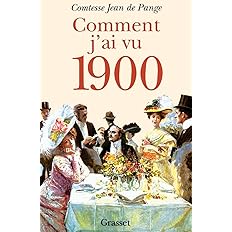
Les souvenirs délicieux et vifs de Pauline de Pange sont pour nous comme un conte de fées. Car l'arrière petite fille de Madame de Staël, et nièce de la comtesse de Ségur, a connu un monde plus proche du XVIIIe siècle que du nôtre.
Un temps où l'on savait vivre heureux : l'hiver à Paris, dans de vastes demeures ; les jeux, les fiacres, les soirées somptueuses ; puis la transhumance estivale vers Dieppe, les demeures à la campagne, les déjeuners sur l'herbe...
On a peine à croire qu'on ait pu vivre ainsi, il y a tout juste quatre générations : on perçait alors les Champs Elysées pour y bâtir les deux palais de l'Exposition universelle ; on rêvait que bientôt le Métropolitain gronderait sous les pavés, et que des arches franchiraient la Seine d'un seul bond... C'était l'avenir.
D'un oeil complice mais ironique, tendre aussi, la petite fille d'alors nous tend la main et nous appelle : oui, ce monde-là a existé, ce monde d'hier c'est encore le nôtre, et quelle joie de s'y plonger ! C'était 1900.


.jpg)